Introduction
The Harvard resume is the most-imitated single-page format in the United States. Harvard's Office of Career Services teaches a disciplined, no-frills layout: one page, reverse-chronological, no photo, no columns, no graphics. The goal is to make every line easy to scan and every accomplishment easy to verify — which is also exactly what an ATS expects.
This template gives you that exact structure: a centered name and contact block, section headings in small caps, and entries where each role's title sits on the left and the date sits on the right. The body is reserved for what you did, not for design flourishes.
Harvard resume format
Stick to the format Harvard's career office demonstrates in its sample resumes.
- Length: one page for undergraduates and most early-career applicants; two pages only if every bullet earns its place.
- Font: a serif (Times New Roman, Garamond) or a sober sans-serif (Arial, Helvetica) at 10–12 pt. Whichever you pick, use it everywhere.
- Margins: 0.5"–1" on all sides. Don't drop below 0.5".
- Color: black ink for body copy, with at most one subtle accent for section headings.
- Sections: Education first (until you've been out of school several years), then Experience, then optional Leadership / Projects / Skills.
- No photo, no logos, no graphics, no columns. Harvard's guide is explicit about each of these.
Personal summary
Harvard's published samples do not include an objective or summary at the top — your education and experience are expected to speak for themselves. If you choose to include a one-line professional tagline (common for career switchers), keep it under 15 words and place it directly under the contact block, not as a separate section.
Experience section
Bullets are where Harvard resumes are won or lost. The career office's signature rule: do not start a line with a date. Dates belong on the right; the bullet belongs to the action.
- Open every bullet with a strong past-tense verb (Led, Built, Analyzed, Negotiated).
- Quantify whenever possible — dollar amounts, percentages, team size, time saved.
- Aim for 1–2 lines per bullet, 3–5 bullets per role.
- Combine what you did, how you did it, and the measurable result in a single sentence where you can.
- Drop articles (a, the) to keep bullets tight.
Education and certifications
Education is the first section on a Harvard-style resume until you have several years of post-graduation experience.
- Lead each entry with the institution, then the degree, then the graduation date (right-aligned).
- Include GPA only if it is 3.5 or above; otherwise omit it.
- Standardized test scores (SAT/ACT/GRE) are usually omitted by graduation — keep them off unless explicitly relevant.
- Coursework, thesis title, or honors can sit beneath the degree line for current students and recent graduates.
Skills guidance
Skills sit at the bottom of the page on a Harvard resume, after Experience and any Leadership / Projects sections. Group them — Languages, Technical, Laboratory, Certifications — and list specific tools rather than generic adjectives. Skip the proficiency bars and 1-to-5 ratings; the career office's samples never use them.
Mistakes to avoid
- Starting a bullet with a date. Harvard's guide flags this as the most common error.
- Including a photo, headshot, or graphic header. US hiring norms (and Harvard's samples) leave them out entirely.
- Using a two-column layout. Single column scans correctly through every ATS Harvard tests.
- Personal pronouns. Drop I, my, me.
- References on the resume. They go on a separate document, provided on request.
Frequently asked questions about the Harvard resume format
One page for undergraduates and most early-career roles. Two pages are accepted only when you have enough substantive experience that every line is essential — which is rare before five to seven years of full-time work.
No. The Harvard Office of Career Services explicitly recommends omitting photos for US-based applications. Photos can also trigger bias-mitigation rules at large employers.
Harvard's published samples are single-column for a reason: most applicant tracking systems read columns out of order or skip them entirely. Stick to one column.
Include your GPA if it is 3.5 or above. Below that, omit it — Harvard's career office advises that an undisclosed GPA looks better than a low one.
In a dedicated Skills section at the bottom of the page, grouped by category (Languages, Technical, Laboratory). List specific tools rather than skill levels.
Career coaching and hiring-side experience, written into practical resume and job-search advice.
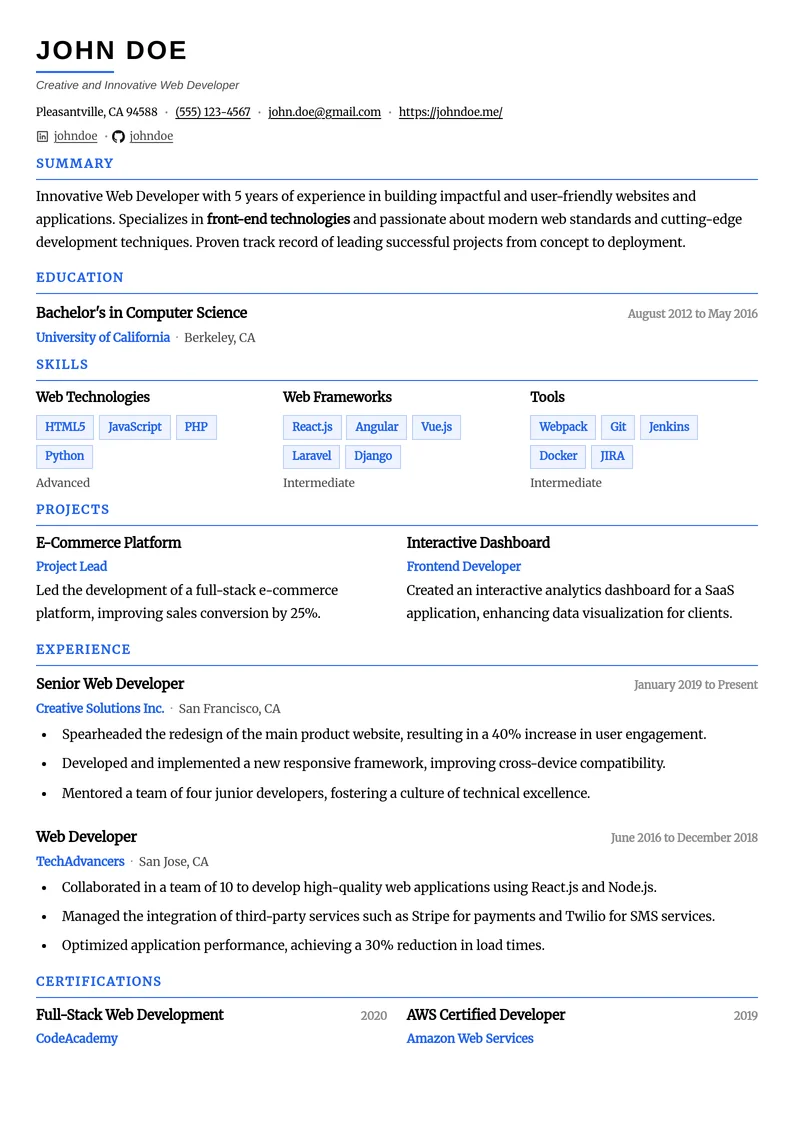 United StatesCaltech resume template
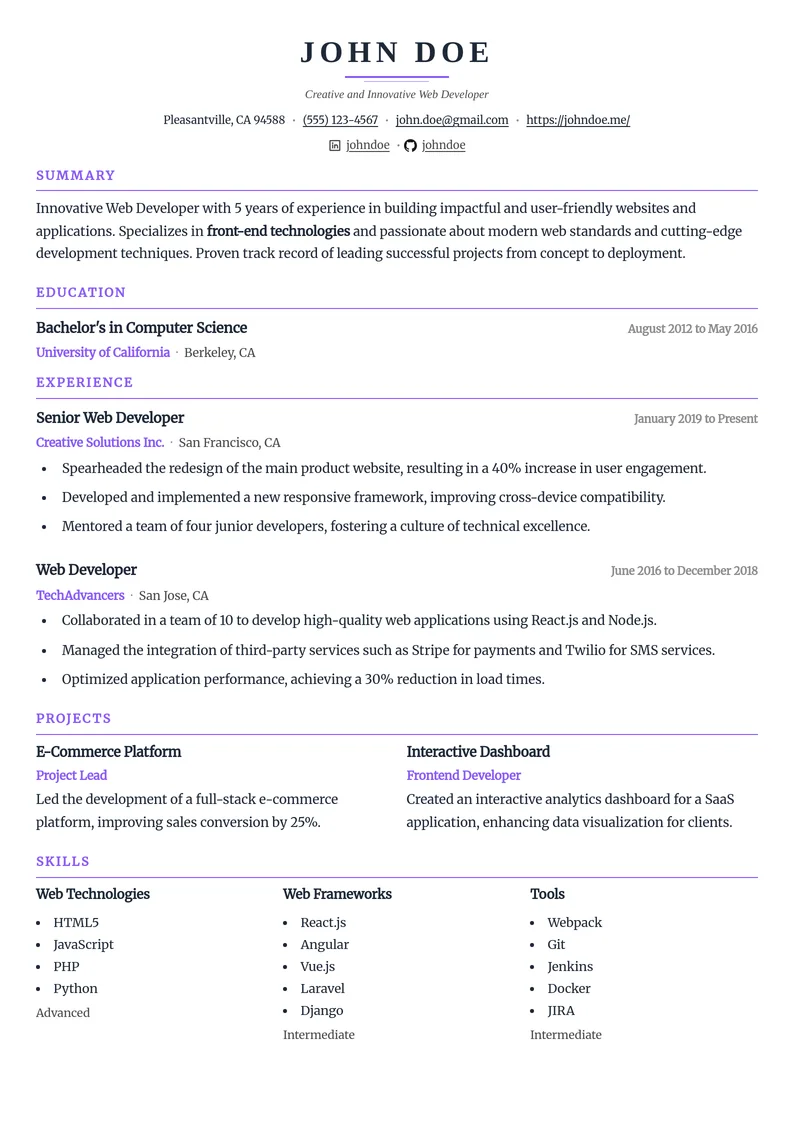 United StatesColumbia resume template
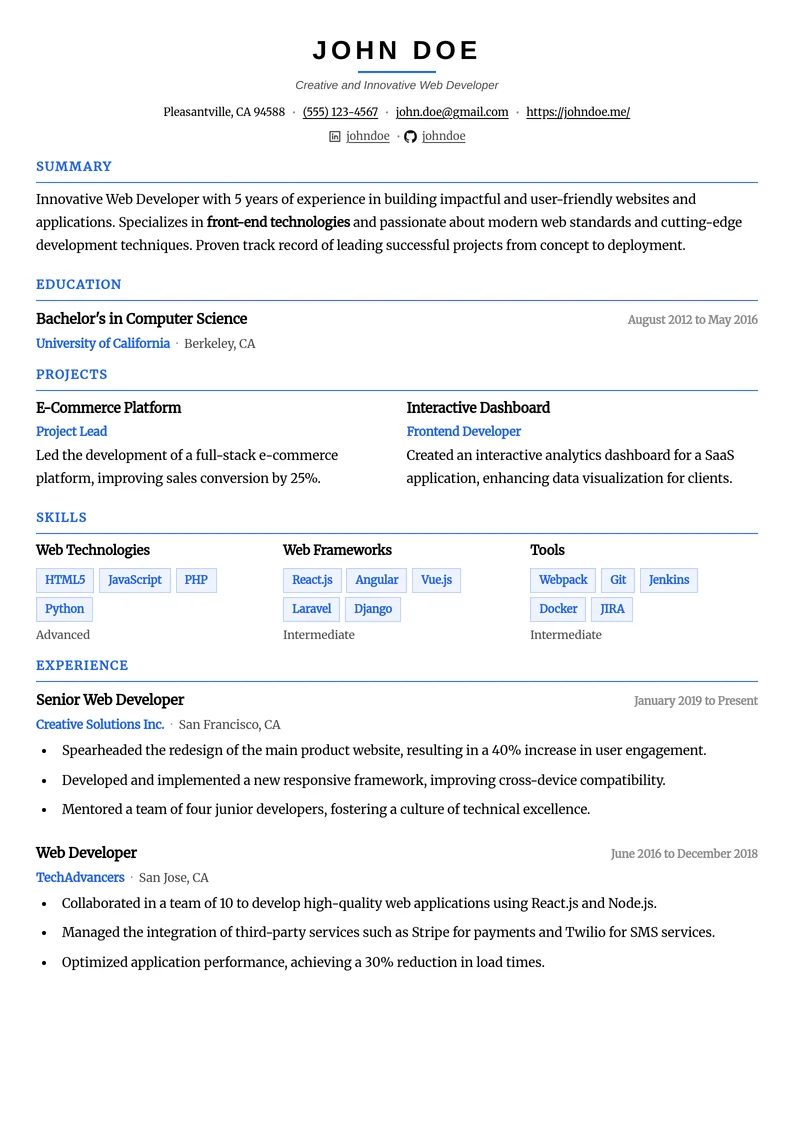 United StatesMIT resume template
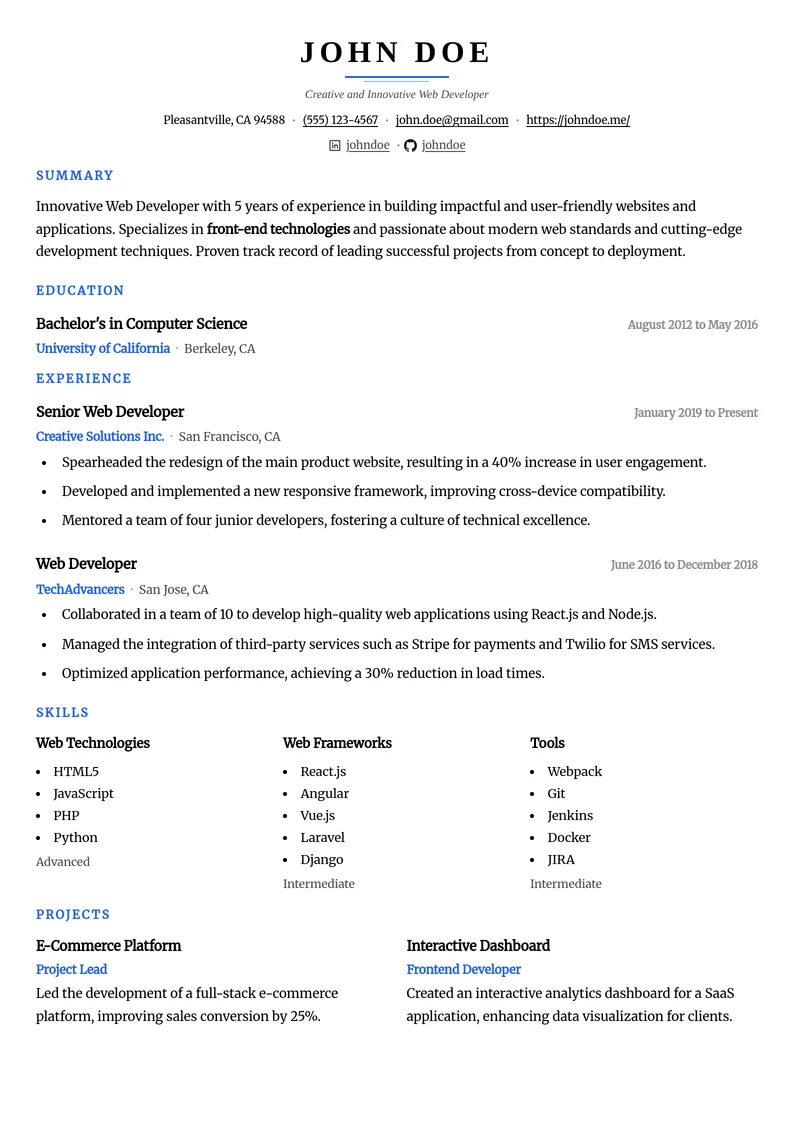 United StatesPrinceton resume template
Based on public career-center best practices. Not affiliated with or endorsed by Harvard University.
Source · careerservices.fas.harvard.edu